System Workhorses: Inside the Substations That Power VEC Communities
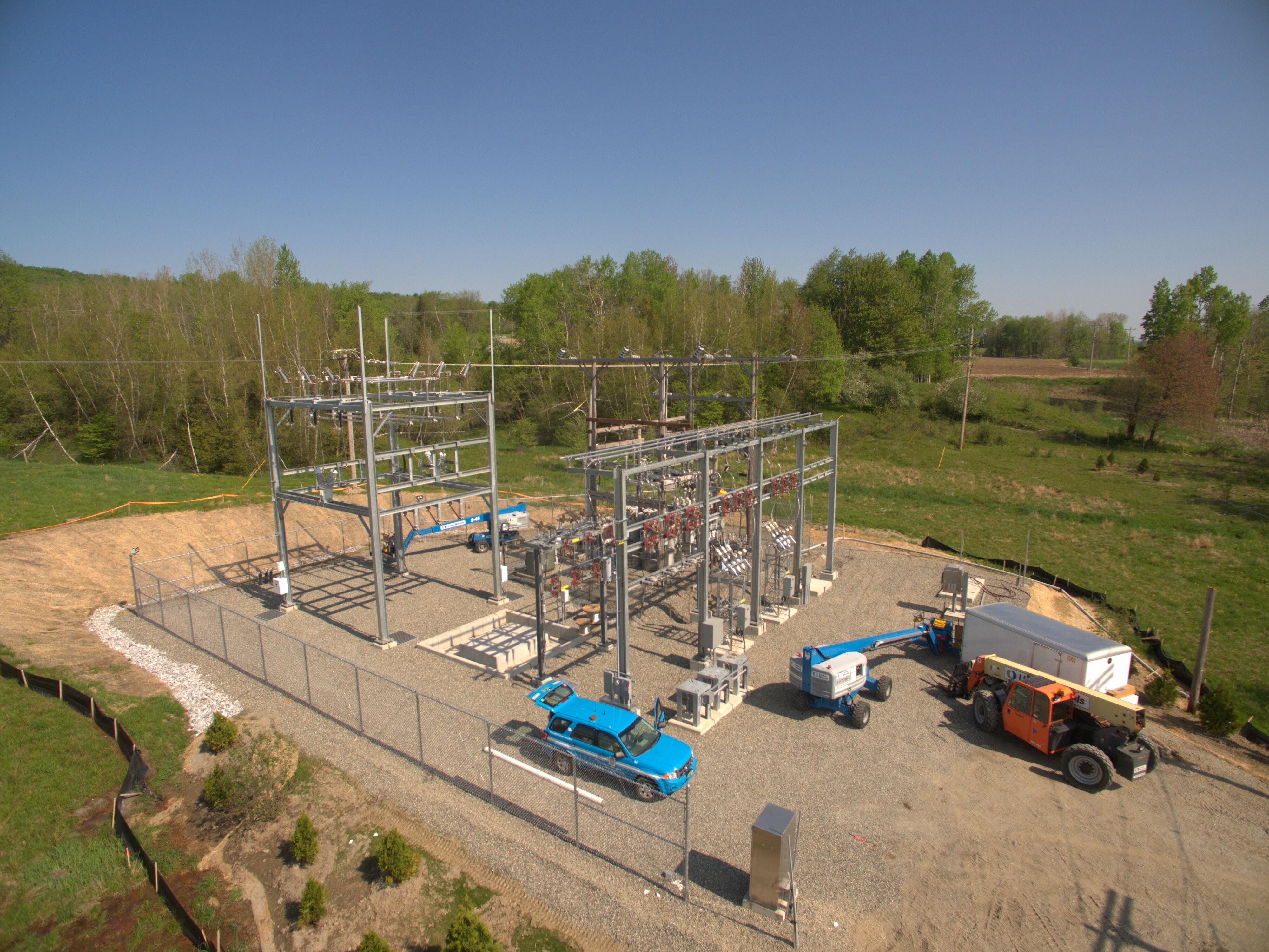
VEC members may pass substations from time to time – but may not give them much thought. Substations are tucked along roadsides, behind fences.
These big, mostly gray structures (like VEC's East Berkshire substation above) with wires and transformers and lots of other pieces are critical nodes in the VEC system. Without them, none of us would have electricity.
From High Voltage to Your Home
Substations perform a simple but critical function: they reduce the voltage that’s coming in from large transmission systems to a level that allows the electricity to be distributed into neighborhoods. Then, smaller transformers on poles or pads drop voltage even further so it can be safely used at your home or business.
Substations are critical regulators of electricity flow, all the way from point where an electron is generated at a power plant to the time it illuminates a lightbulb in your house. In other words, substations make sure the electricity coming from the broader grid is usable and safe for our members.
Substations are also information hubs. When members report a power outage, information from substations often helps determine the scope of the problem within minutes. Is it a single lateral line? A feeder circuit? Or something upstream? That intelligence guides restoration efforts and improves response time.
VEC has 35 substations across the territory, a handful of which are shared with Green Mountain Power, Washington Electric Co-op, and the state’s distribution utility Vermont Electric Power Company (VELCO.)
What’s Inside a Substation?
Besides the transformers, substations also have circuit breakers that isolate faults and protect equipment, and protective relays that detect problems almost immediately. They also include switching equipment that allows crews to reroute power and provide real-time data to the VEC Control Center.
Substations aren’t just static structures, either. As demand grows and energy needs evolve, VEC has to keep substations up to date. Upgrades may include adding transformer capacity, expanding feeder circuits, enhancing automation, strengthening physical and cyber security and improving resilience against extreme weather and other environmental threats. These investments are for the long term, and are evaluated carefully, balancing reliability, cost, and future needs. The goal is always the same: dependable service at the lowest reasonable cost.